What Is Vibe Coding and Why Developers Love It
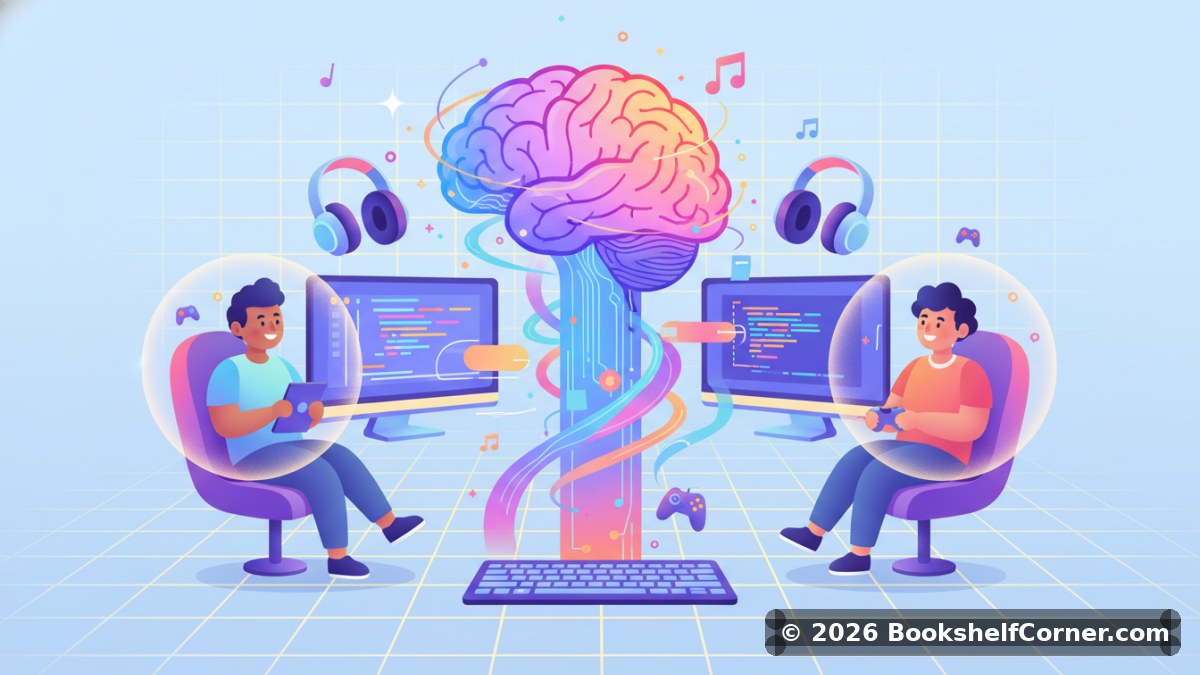
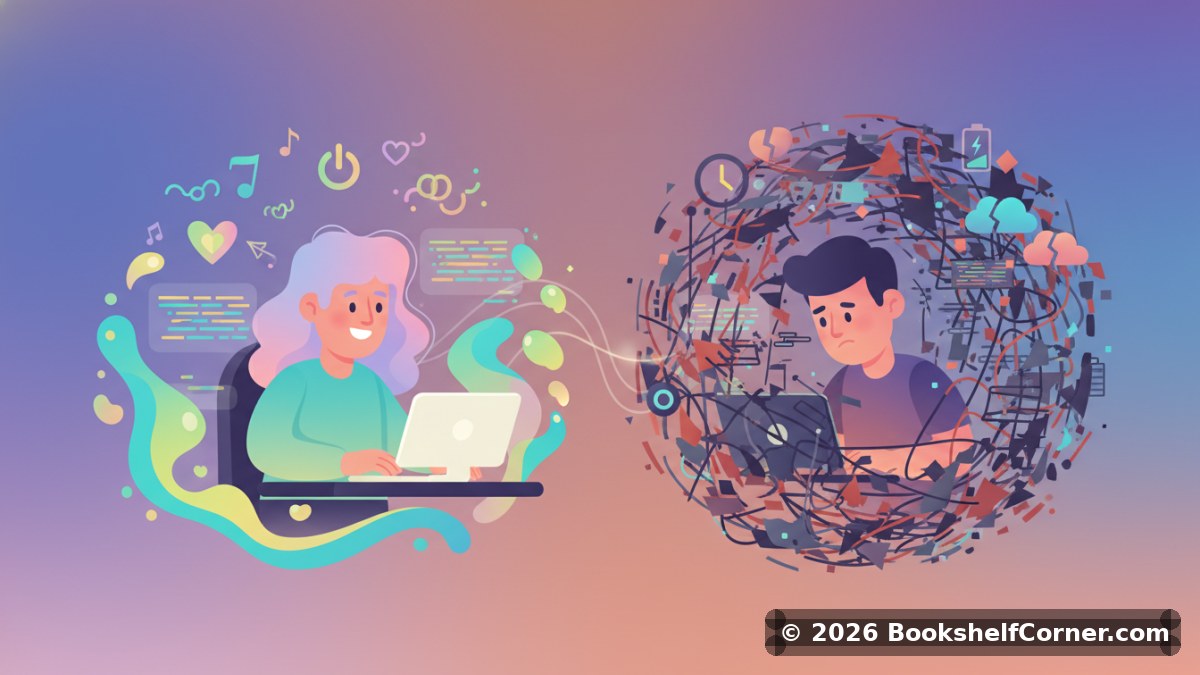
Imagine sitting down to build a web app without obsessing over syntax, without hunting through documentation for hours, and without the crushing weight of boilerplate code. You simply describe what you want, feel out the logic, and let the tools do the heavy lifting. That's the essence of vibe coding — and it's quietly reshaping how developers think about writing software. Whether you're a seasoned engineer or a curious beginner, vibe coding is a concept worth understanding right now.
So, What Exactly Is Vibe Coding?
The term "vibe coding" was popularized by AI researcher and Tesla/OpenAI alumnus Andrej Karpathy in early 2025. In a now-viral post, he described a new mode of programming where you essentially let go of traditional coding practices and lean fully into AI assistance. Instead of writing every line of code by hand, you describe what you need in plain language, accept what the AI generates, and iterate from there — almost entirely through prompts and gut feeling.
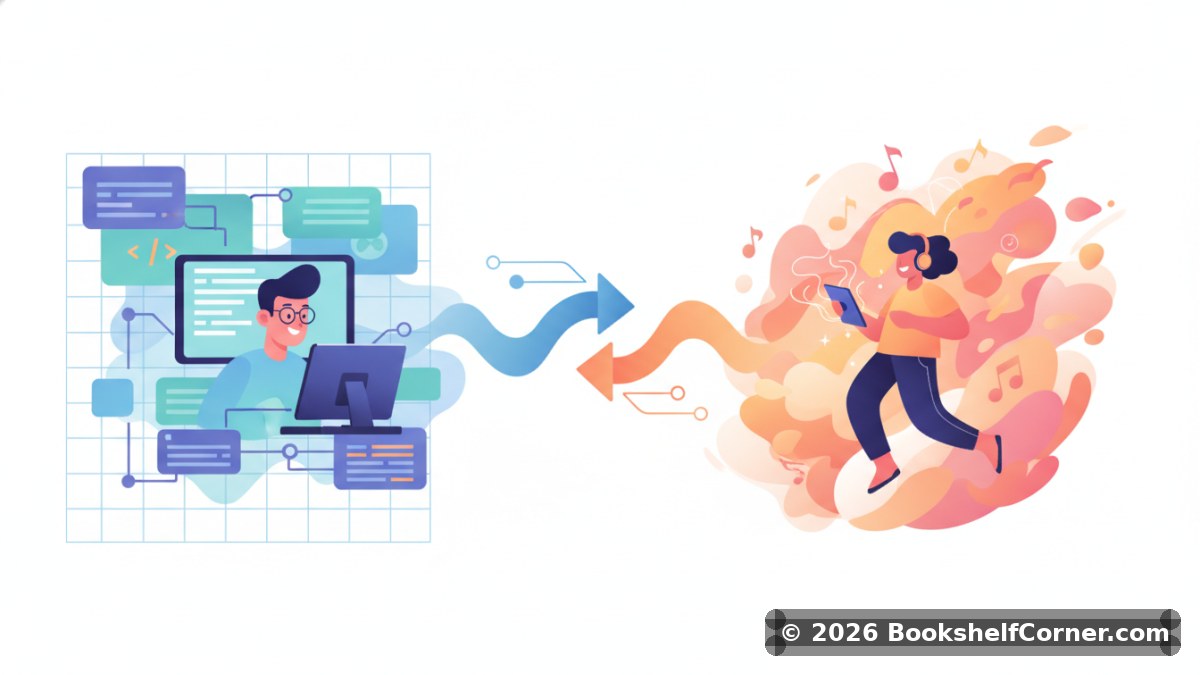
At its core, vibe coding is about lowering the friction between an idea and a working product. The developer acts less like a typist and more like a director — guiding the AI, testing the output, tweaking the direction, and trusting the process. It's not about being sloppy; it's about being fast, fluid, and creative.
How Does Vibe Coding Actually Work?
Vibe coding typically involves AI-powered coding assistants like GitHub Copilot, Cursor, Claude, or ChatGPT. Here's a simplified look at the workflow:
- Describe the goal: You type a natural language prompt like "Build me a to-do list app with a dark mode toggle and local storage support."
- Accept and iterate: The AI generates code. You run it, see what works, and prompt further changes instead of manually editing every file.
- Debug by describing: When something breaks, you paste the error and say "fix this" — no deep debugging sessions required.
- Ship fast: The goal is a working product, prototype, or feature delivered in a fraction of the traditional time.
Vibe coding leans heavily on trust and momentum. You're not expected to fully understand every line generated — and that's a deliberate, if controversial, part of the philosophy.
Why Developers Are Falling in Love With It
1. It Removes the Mental Barriers to Starting
One of the biggest obstacles for developers — especially those working on side projects — is simply starting. Vibe coding eliminates the blank-page problem. You don't need to architect everything perfectly from day one. You just start talking to your AI assistant and something begins to take shape.
2. It Accelerates Prototyping Dramatically
What used to take a weekend can now take a few hours. Vibe coding is particularly popular for hackathons, MVPs, and personal projects where speed matters more than perfection. Developers report shipping functional prototypes in an afternoon that previously would have taken days.
3. It Makes Coding More Accessible
Non-traditional coders — designers, marketers, writers, entrepreneurs — are using vibe coding to build tools they previously couldn't imagine creating themselves. It democratizes software development in a genuinely exciting way, bridging the gap between "I have an idea" and "here's the product."
4. It Keeps the Creative Flow Alive
Traditional coding can be mentally exhausting. Hunting for a missing semicolon or wrestling with a stubborn API can kill creative momentum. Vibe coding keeps developers in a flow state — focused on vision and outcomes rather than syntactic minutiae.
The Criticism: Is Vibe Coding Actually Dangerous?
Not everyone is a fan. Critics argue that vibe coding produces brittle, insecure, and unmaintainable code. If you don't understand what the AI wrote, how do you fix it when it breaks in production? Security researchers have flagged that AI-generated code can introduce vulnerabilities that an inexperienced developer wouldn't catch. There's also the question of over-reliance — if the AI changes, gets worse, or hits a wall, are you stuck?
The honest answer is: vibe coding is a tool, not a replacement for fundamentals. The best practitioners use it to accelerate work they already understand, not to bypass learning entirely. Think of it less as a shortcut and more as a power multiplier.
Where to Learn More and Go Deeper
Vibe coding sits at the intersection of AI, software engineering, and creative thinking — and there's a growing body of knowledge around all three. If you want to sharpen your understanding of AI-assisted development, software architecture, or programming philosophy, diving into well-written books is one of the most effective ways to build that foundation. At bookshelfcorner.com, you'll find a curated selection of indie digital books on tech, coding, and the future of software — perfect for developers who want to stay ahead of the curve.
Vibe coding is more than a trend — it's a signal of where software development is heading. As AI tools become more capable and more embedded in everyday workflows, the boundary between "developer" and "creator" will continue to blur. Whether you embrace vibe coding fully or use it selectively, understanding it puts you in a stronger position to navigate the fast-moving world of modern tech. The vibes are good — and they're only getting better.
Related Books
The 1% Student: Small Daily Habits That Build an Extraordinary Academic Life
Arskan. G

Stack and Succeed: The Busy Professional's Guide to Building Habits That Actually Last
Arskan. G

The Adaptive Mind: Harnessing Brain Science for Lasting Positive Change
Arskan. G

Steady Ground: Daily Habits for a Calmer, More Resilient Mind
Arskan. G

Digital Products for Beginners: From Idea to Profitable Launch
Arskan. G
Looking for quality ebooks from independent authors?
Thousands of titles, personal watermark, read online or download.
Browse Catalog →