The Pros and Cons of Vibe Coding Explained
Imagine sitting down at your computer, describing an app idea in plain English, and watching the code practically write itself. No syntax memorization, no Stack Overflow rabbit holes, no three-hour debugging sessions fueled by cold coffee. This is the promise of vibe coding — a term coined by AI researcher Andrej Karpathy to describe a style of programming where you lean almost entirely on AI tools like ChatGPT or GitHub Copilot to generate, edit, and fix your code. You set the vibe, the AI handles the rest. It sounds almost too good to be true. And in some ways, it is. In other ways, it's genuinely revolutionary.
What Exactly Is Vibe Coding?
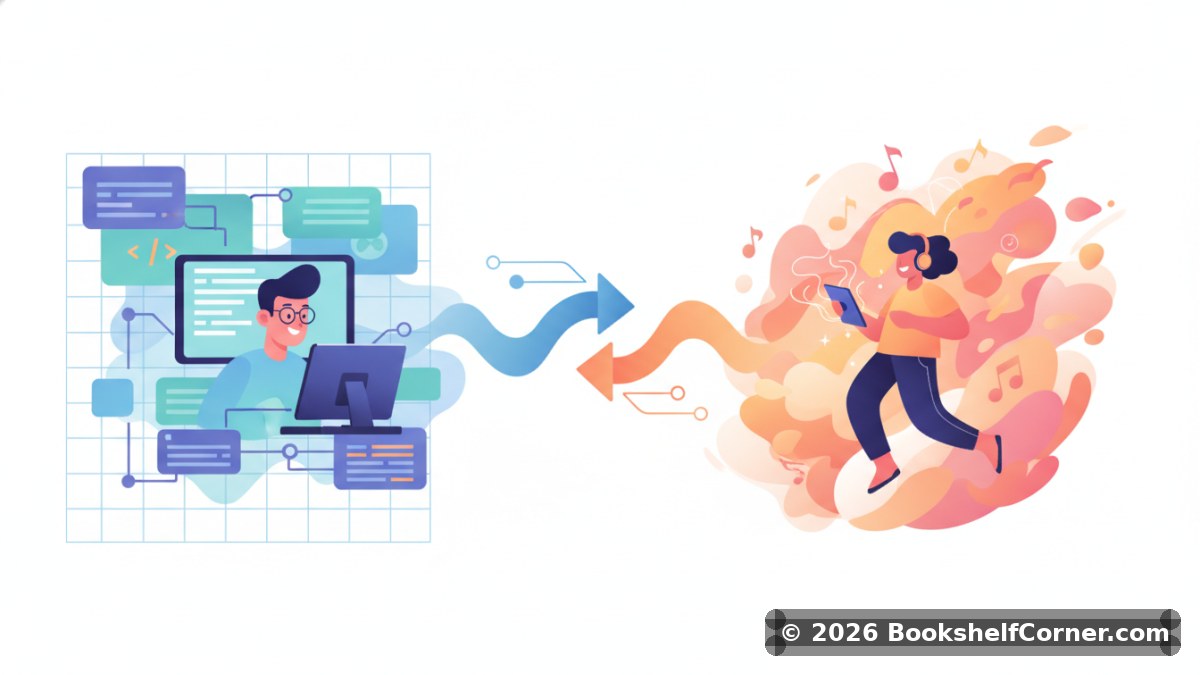
Vibe coding flips the traditional development model on its head. Instead of writing every line of code manually, the developer (or non-developer) acts more like a director — describing what they want in natural language and letting an AI model generate the implementation. You review the output, ask for tweaks, and iterate until the product feels right. The "vibe" comes from the intuitive, almost conversational flow of the process.
This approach has exploded in popularity thanks to increasingly capable large language models (LLMs) that can produce functional code across dozens of programming languages. It's particularly appealing to entrepreneurs, designers, writers, and creators who have great ideas but lack formal coding backgrounds.
The Pros of Vibe Coding
1. It Democratizes Software Development
Perhaps the biggest win of vibe coding is that it tears down the wall between "people who can build things" and "people who can't." Someone with zero programming experience can now prototype a web app, automate a repetitive task, or build a simple tool for their business. This democratization of creation is genuinely exciting and could unlock a wave of innovation from unexpected corners of society.
2. It Dramatically Speeds Up Development
Even seasoned developers are embracing vibe coding because it accelerates workflows significantly. Boilerplate code, repetitive functions, and standard integrations that used to take hours can now be scaffolded in minutes. This frees developers to focus on the higher-level thinking — architecture, user experience, and problem-solving — that truly requires human creativity.
3. It Lowers the Barrier to Experimentation
When building something is fast and low-effort, you're more likely to experiment. Vibe coding encourages a fail-fast, iterate-quickly mindset that is incredibly valuable in the early stages of any project. You can test ten different ideas in the time it used to take to build one.
4. It Makes Learning More Accessible
Counterintuitively, vibe coding can actually help people learn programming. By watching the AI generate code and asking it to explain each section, beginners can absorb concepts in context — a more intuitive learning path than reading dry documentation. It's coding with a patient, always-available tutor by your side.
The Cons of Vibe Coding
1. You May Not Understand What You're Building
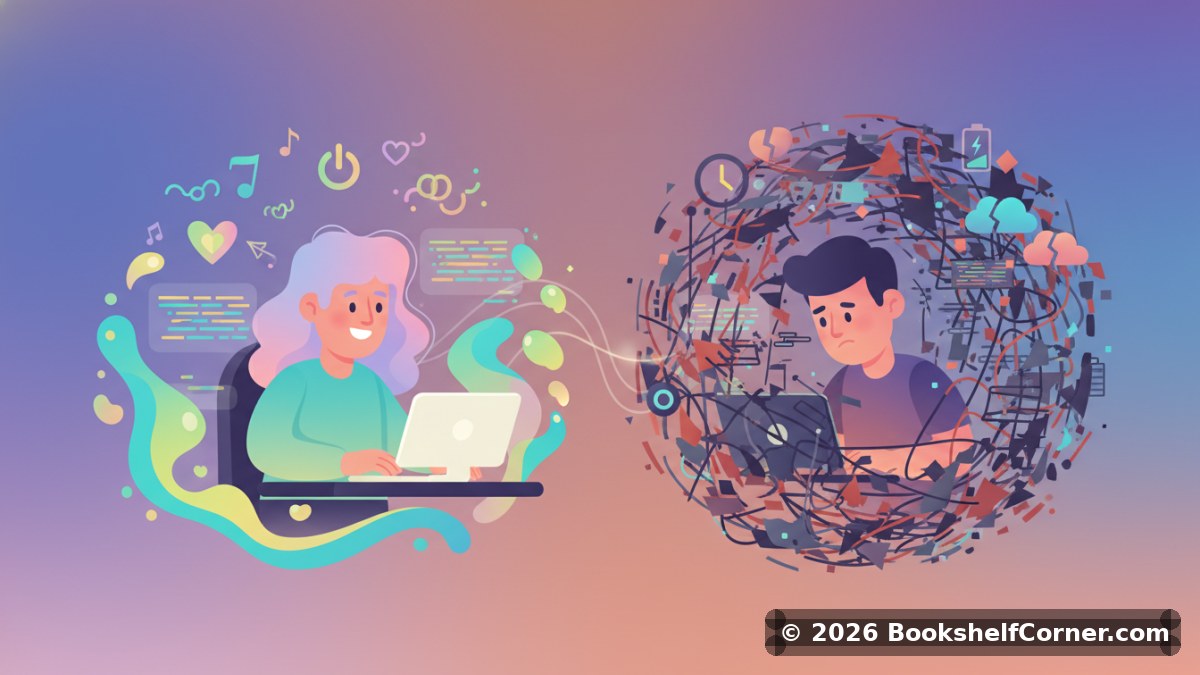
This is the big one. When AI writes your code, there's a real risk that you're sitting on a foundation you don't fully understand. If something breaks in production or needs to scale, that knowledge gap can become a serious — and expensive — problem. Vibe coding without any underlying technical literacy is a bit like driving a car without knowing how to change a tire.
2. Security and Quality Risks
AI-generated code is not automatically secure or efficient. LLMs can produce code with subtle vulnerabilities, deprecated practices, or logic errors that look correct on the surface but fail under real-world conditions. Without a trained eye to review the output, these issues can slip through unnoticed.
3. Over-Reliance Can Stunt Growth
If you never push yourself to understand the "why" behind the code, you may plateau as a developer. The skills built through genuine problem-solving — debugging, algorithm design, system thinking — are harder to develop when an AI is always doing the heavy lifting for you.
4. It Struggles With Complex, Custom Problems
Vibe coding shines on common tasks with well-established patterns. But for truly novel, complex, or domain-specific challenges, AI tools still fall short. The more unique your problem, the less reliable the AI's suggestions become, and the more you need genuine expertise to guide the process.
So, Should You Embrace Vibe Coding?
The honest answer is: it depends on your goals. If you're a non-technical founder validating an idea, a writer building a personal tool, or a creator automating your workflow, vibe coding is a superpower you should absolutely be using. If you're a developer looking to move faster, it's an excellent co-pilot — just make sure you stay in the driver's seat.
The key is to treat vibe coding as a tool, not a replacement for understanding. Use it to go faster, experiment freely, and lower the cost of creation — but invest time in understanding the outputs it gives you. The developers who will thrive in this new era are those who can blend AI fluency with genuine technical depth.
Curious to go deeper on topics like AI, tech trends, and the future of digital creation? Explore the growing library of indie ebooks on Bookshelf Corner — you might find the perfect guide to help you navigate the rapidly evolving world of technology on your own terms.
Related Books
The 1% Student: Small Daily Habits That Build an Extraordinary Academic Life
Arskan. G

Stack and Succeed: The Busy Professional's Guide to Building Habits That Actually Last
Arskan. G

The Adaptive Mind: Harnessing Brain Science for Lasting Positive Change
Arskan. G

Steady Ground: Daily Habits for a Calmer, More Resilient Mind
Arskan. G

Digital Products for Beginners: From Idea to Profitable Launch
Arskan. G
Looking for quality ebooks from independent authors?
Thousands of titles, personal watermark, read online or download.
Browse Catalog →