Vibe Coding: What It Is and Why Devs Love It
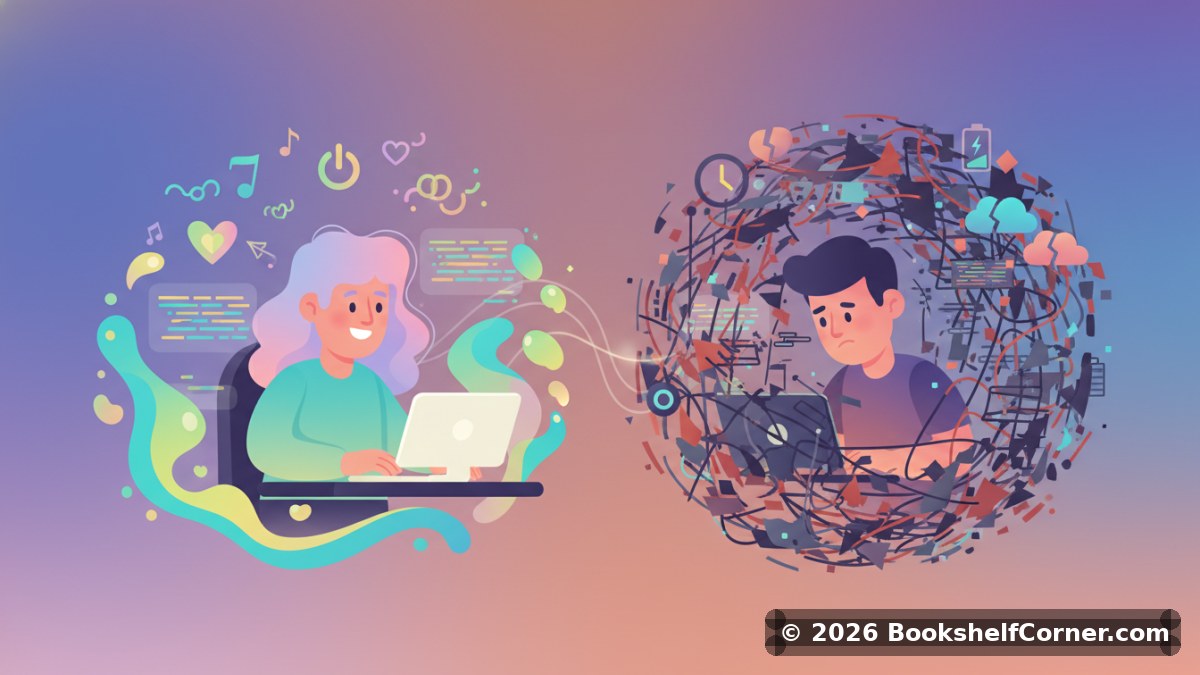
Imagine sitting down to build an app, typing out a rough description of what you want it to do, and watching the code practically write itself. No wrestling with syntax errors at 2 AM. No Stack Overflow rabbit holes. Just you, your ideas, and a surprisingly capable AI collaborator turning your vision into working software. That's the core promise of vibe coding — and it's quickly becoming one of the most talked-about trends in the developer community.
What Is Vibe Coding?
The term "vibe coding" was coined by AI researcher and Tesla/OpenAI alumnus Andrej Karpathy in early 2025. In a now-viral post, he described a new mode of programming where you essentially let go of traditional control over your codebase and instead lean fully into AI tools to generate, iterate, and debug code on your behalf.
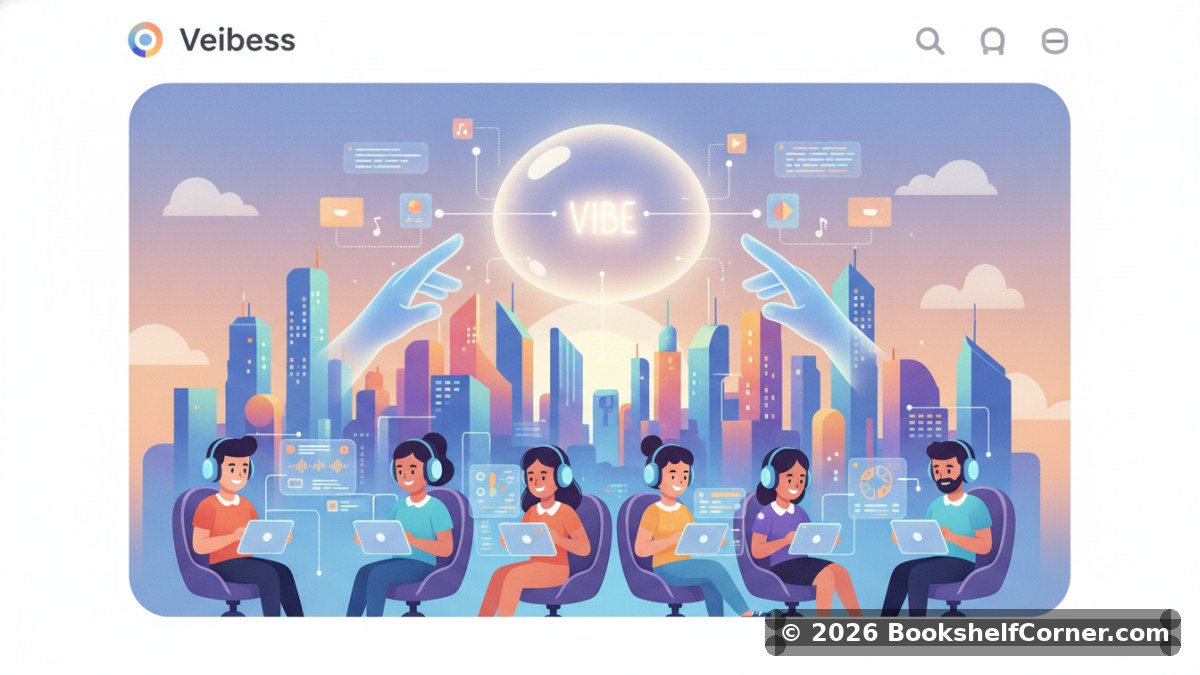
In practice, vibe coding looks something like this:
- You describe a feature or app in plain English (or any natural language).
- An AI tool — like GitHub Copilot, Cursor, Claude, or ChatGPT — generates the code.
- You review the output, tweak your prompt, and iterate rapidly.
- Bugs? You paste the error back into the AI and ask it to fix things.
- Repeat until it works.
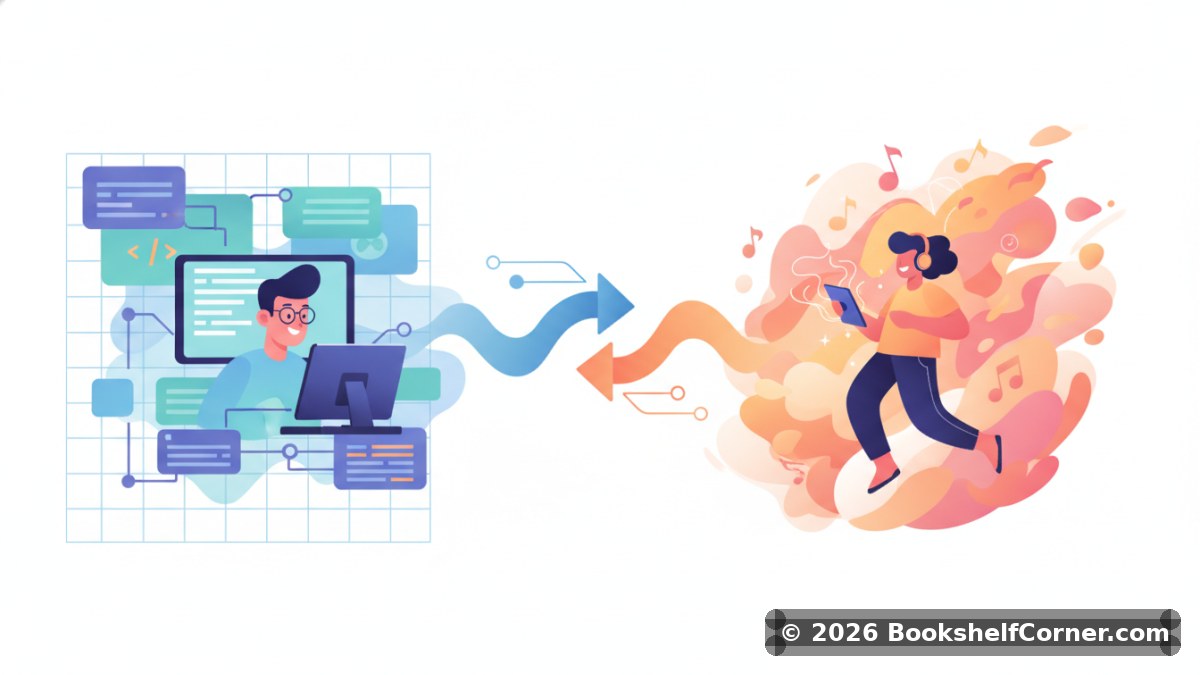
The key distinction from traditional AI-assisted coding is the mindset shift. Vibe coding isn't just using autocomplete — it's surrendering a degree of fine-grained control and trusting the process, focusing more on the outcome than the implementation details.
Why Developers Are Loving It
1. It Removes the Blank Page Problem
Every developer knows the paralysis of staring at an empty file. Vibe coding obliterates that block. By describing what you want — even loosely — you immediately have something to work with. It lowers the activation energy required to start a project dramatically, which means more ideas actually get built.
2. It Accelerates Prototyping
Speed is one of vibe coding's biggest selling points. What might take a developer hours of boilerplate setup can now take minutes. Startups and indie developers especially love this because getting a working prototype in front of users quickly can be the difference between a product that succeeds and one that never launches.
3. It's Genuinely Fun
This might sound trivial, but it matters. Many developers report that vibe coding brings back the joy of creating that sometimes gets buried under technical debt, ticket queues, and legacy code. When the friction drops and ideas flow freely, programming feels more like play — and that creative energy is infectious.
4. It Opens Doors for Non-Traditional Coders
Designers, product managers, entrepreneurs, and hobbyists are using vibe coding to build tools they never could have before. The barrier to entry has never been lower, which is democratizing software development in meaningful ways. You don't need to memorize the intricacies of a framework to ship something useful.
The Tools Powering the Vibe
A handful of tools have become the go-to platforms for vibe coders:
- Cursor — An AI-first code editor built around conversational prompting.
- GitHub Copilot — Microsoft's deeply integrated AI pair programmer.
- Replit Agent — Builds entire apps from natural language descriptions in the browser.
- Bolt.new / Lovable — Web-based tools that generate full-stack apps rapidly.
- Claude & ChatGPT — Versatile LLMs used for everything from architecture planning to bug hunting.
The Honest Trade-offs
Vibe coding isn't without its critics — and it's worth being clear-eyed about the downsides. Code generated through rapid AI iteration can accumulate technical debt fast. Security vulnerabilities, poor architecture decisions, and hard-to-maintain codebases are real risks when you're not deeply scrutinizing every line. Experienced developers tend to use vibe coding as a starting point, then apply proper review and refactoring practices afterward.
There's also the question of understanding. If you can't read the code your AI generates, debugging it when things go wrong becomes significantly harder. Vibe coding works best when paired with at least a foundational understanding of programming concepts.
Should You Try It?
Absolutely — with intention. Whether you're a seasoned engineer looking to move faster or a curious non-developer with an app idea, vibe coding is worth experimenting with. Start small, build something low-stakes, and pay attention to how the AI approaches problems. You'll learn a surprising amount just by watching.
If you want to go deeper, there's a growing library of ebooks and guides covering AI-assisted development, prompt engineering, and modern software workflows. Platforms like Bookshelf Corner are a great place to find indie-authored digital books that cut through the noise and deliver real, practical knowledge from developers who are in the trenches. The vibe is just getting started — and the best time to catch it is now.
Related Books
The 1% Student: Small Daily Habits That Build an Extraordinary Academic Life
Arskan. G

Stack and Succeed: The Busy Professional's Guide to Building Habits That Actually Last
Arskan. G

The Adaptive Mind: Harnessing Brain Science for Lasting Positive Change
Arskan. G

Steady Ground: Daily Habits for a Calmer, More Resilient Mind
Arskan. G

Digital Products for Beginners: From Idea to Profitable Launch
Arskan. G
Looking for quality ebooks from independent authors?
Thousands of titles, personal watermark, read online or download.
Browse Catalog →