Vibe Coding: The Future of Creative Development
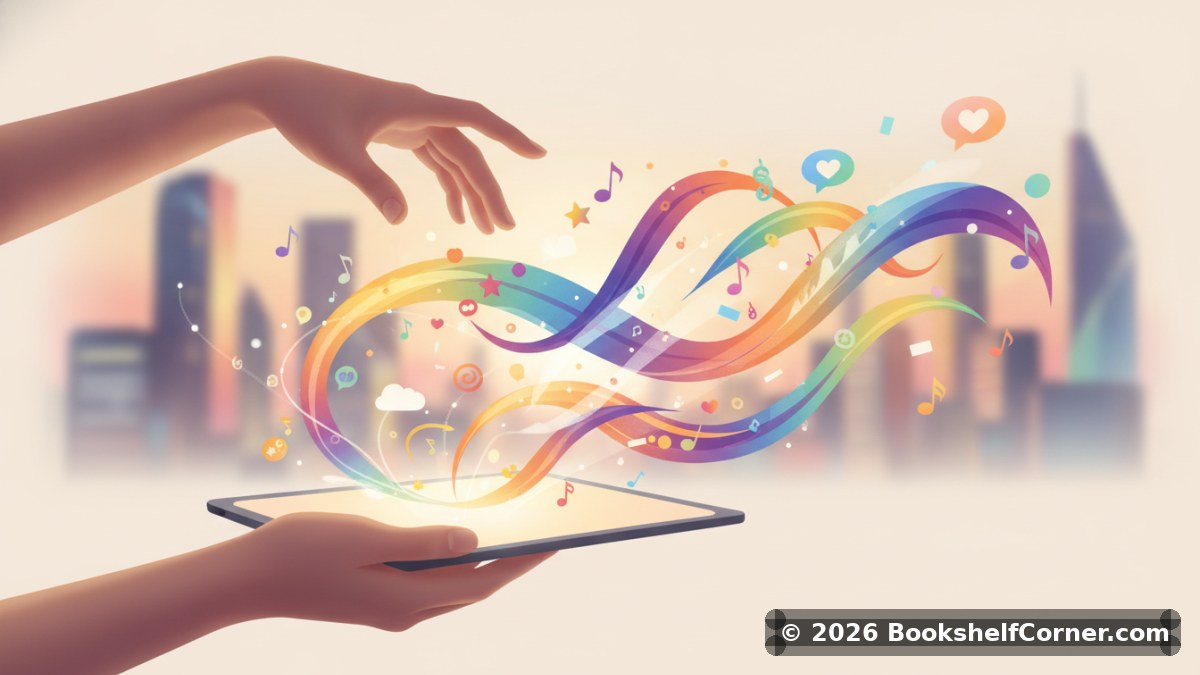
Imagine sitting down at your keyboard not with a rigid plan, a stack of documentation, and a furrowed brow — but with a feeling. A vibe. You know roughly what you want to build, you have a sense of the experience you want to create, and you let that energy guide your process. Welcome to vibe coding — one of the most exciting shifts happening in the world of software development right now.
What Exactly Is Vibe Coding?
Vibe coding is a term that has been gaining serious traction in developer communities, particularly since the rise of powerful AI coding assistants like GitHub Copilot, ChatGPT, and Claude. Coined and popularized in early 2025, the concept refers to a style of programming where the developer leans heavily into intuition, natural language prompts, and AI collaboration to build software — rather than meticulously planning every line of code from scratch.
In practice, vibe coding looks something like this: you describe what you want in plain English, your AI assistant generates a working draft, and you iterate, refine, and shape the output based on how it feels as much as how it functions. It's less about memorizing syntax and more about having a clear creative vision.
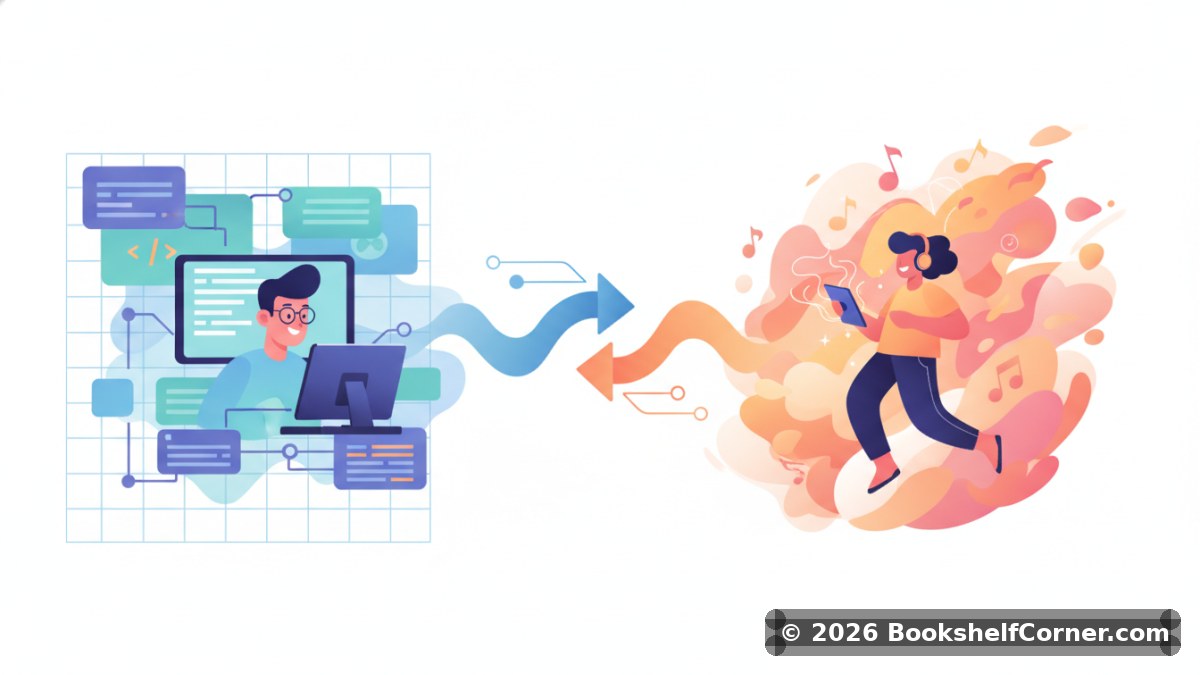
Think of it as the difference between a classically trained painter who measures every proportion versus an artist who paints freely and corrects as they go. Both can produce masterpieces — but the second approach is faster, more experimental, and often more joyful.
Why Is Vibe Coding Taking Off Right Now?
The timing is no coincidence. Several forces have converged to make vibe coding not just possible, but genuinely practical:
- AI tools have reached a tipping point. Large language models can now generate functional, context-aware code that handles real tasks — not just toy examples.
- The barrier to entry has dropped dramatically. Entrepreneurs, writers, designers, and creators who never considered themselves "coders" are building apps, tools, and platforms on their own.
- Developer burnout is real. Many experienced engineers are gravitating toward vibe coding as a way to rediscover the joy of building without the grind of boilerplate and setup.
- Speed is a competitive advantage. In a fast-moving digital economy, shipping quickly and iterating matters more than writing perfectly optimized code from day one.
The Creative Power Behind the Vibe
Flow State Development
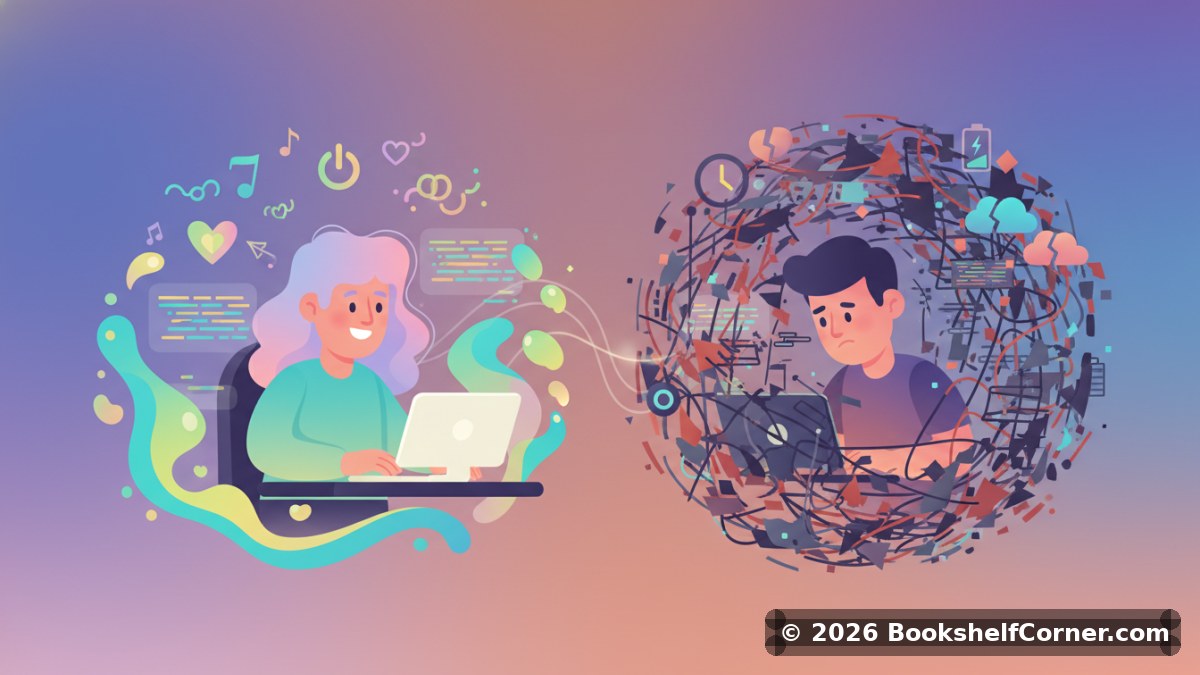
Psychologists describe a "flow state" as a mental zone where focus, creativity, and productivity peak simultaneously. Traditional coding, with its constant context-switching between documentation, Stack Overflow tabs, and debugging sessions, often disrupts that flow. Vibe coding, by contrast, keeps you in the creative seat. The AI handles the friction; you handle the vision.
Accessibility for Non-Traditional Developers
One of the most transformative aspects of vibe coding is who it empowers. Authors building their own book-selling platforms, musicians creating interactive fan experiences, educators designing custom learning tools — all of these people now have a genuine pathway to bring their ideas to life. The future of digital creation belongs to anyone with a compelling idea and the curiosity to pursue it.
Rapid Prototyping and Idea Validation
Vibe coding is particularly powerful in the early stages of a project. Instead of spending weeks architecting a solution before writing a single line, creators can have a working prototype in hours. This dramatically shortens the feedback loop and allows you to validate whether your idea actually resonates before investing significant time or money.
The Real Limitations You Should Know About
Vibe coding isn't without its challenges. AI-generated code can contain subtle bugs, security vulnerabilities, or inefficiencies that an untrained eye might miss. Scaling a vibe-coded project into a production-grade application still requires solid engineering fundamentals at some point. The key is knowing when to vibe and when to engineer — treating the two approaches as complementary rather than competing.
Experienced developers are increasingly adopting a hybrid model: use vibe coding for exploration, speed, and creativity, then apply rigorous review and refactoring when it's time to harden the codebase.
Getting Started With Vibe Coding Today
If you're curious about diving in, start small. Pick a project you genuinely care about — a personal tool, a side project, a creative experiment. Choose an AI coding assistant you're comfortable with, describe what you want to build in plain language, and start iterating. Embrace imperfection early, learn as you go, and let the process be enjoyable.
For those who want to deepen their understanding of creative development philosophies, productivity frameworks, and the evolving relationship between humans and technology, there's a growing library of insightful reading available. Exploring ebooks on platforms like Bookshelf Corner can give you fresh perspectives from indie authors who are writing about these very shifts in real time — often more nimbly and honestly than traditional publishing allows.
Vibe coding represents something bigger than a productivity hack or a trending buzzword. It's a signal that the act of creation — whether writing, designing, or building software — is becoming more human, more intuitive, and more accessible than ever before. The best time to embrace it is right now, while the vibe is strong.
Related Books
The 1% Student: Small Daily Habits That Build an Extraordinary Academic Life
Arskan. G

Stack and Succeed: The Busy Professional's Guide to Building Habits That Actually Last
Arskan. G

The Adaptive Mind: Harnessing Brain Science for Lasting Positive Change
Arskan. G

Steady Ground: Daily Habits for a Calmer, More Resilient Mind
Arskan. G
Digital Products for Beginners: From Idea to Profitable Launch
Arskan. G
Looking for quality ebooks from independent authors?
Thousands of titles, personal watermark, read online or download.
Browse Catalog →