The Beginner's Guide to Profitable Ebook Writing
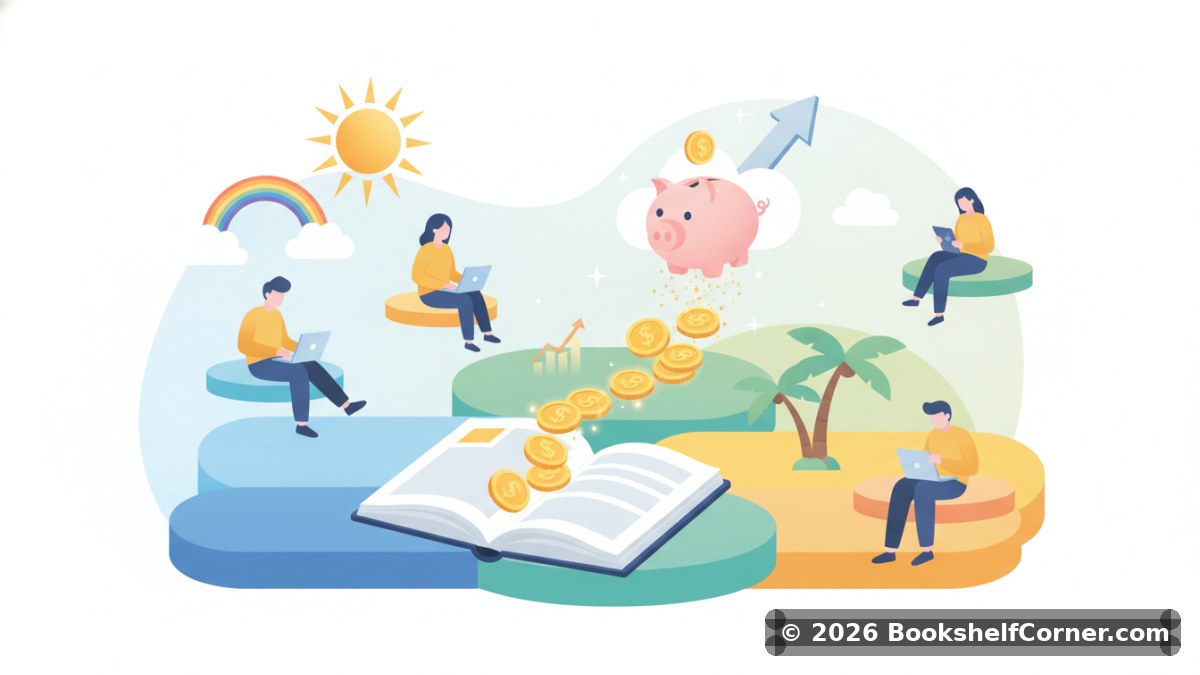
Imagine earning money while you sleep — not from a complicated investment portfolio or a side hustle that demands your constant attention, but from words you wrote once and published online. That's the quiet power of ebook writing. In a world where digital content is consumed more voraciously than ever, independent authors are building real, sustainable income streams by turning their knowledge, stories, and expertise into downloadable books. If you've ever thought about writing an ebook but didn't know where to begin, this guide is your starting point.
Why Ebooks Are a Smart Passive Income Strategy
Unlike physical products, ebooks have virtually zero production cost after the initial writing phase. There's no printing, no shipping, no inventory. Once your ebook is written, formatted, and listed on a platform, it can sell continuously with minimal ongoing effort. That's the definition of passive income — money that keeps flowing without requiring your hour-by-hour involvement.
Beyond the financial upside, ebooks allow you to build authority in your niche, grow an audience, and create a foundation for other income streams like online courses, consulting, or membership communities. One well-written ebook can open more doors than years of networking.
Step 1: Choose a Profitable Topic
The most common mistake beginner ebook writers make is starting with what they want to write about rather than what readers want to buy. Profitable ebook topics sit at the intersection of your expertise and genuine reader demand.
How to Find the Right Topic
- Research popular searches: Use tools like Google Trends, Amazon bestseller lists, or Reddit communities to discover what questions people are actively asking.
- Solve a specific problem: Ebooks that promise a clear, tangible solution — "How to Budget on a Low Income" or "A Beginner's Guide to Sourdough Baking" — consistently outsell vague, broad titles.
- Leverage your expertise: You don't need to be a world-renowned expert. If you know significantly more than a beginner about any topic, you have something valuable to offer.
- Check the competition: Some competition is healthy — it proves there's a market. Just look for an angle that makes your ebook stand out.
Step 2: Plan and Write Your Ebook
Good ebooks don't ramble — they guide. Before writing a single sentence, create a solid outline. Think of your ebook as a journey: your reader starts with a problem and ends with a solution. Every chapter should move them one step closer to that outcome.
Practical Writing Tips for Beginners
- Set a daily word count goal. Even 500 words a day will give you a complete 15,000-word ebook in a month.
- Write conversationally. Readers connect with a warm, human voice — not academic jargon or corporate stiffness.
- Keep chapters focused. Each chapter should cover one core idea. If a section is growing too large, split it in two.
- Don't edit while you write. Get the draft done first. Editing during writing kills momentum.
Step 3: Format and Design Your Ebook Professionally
Readers judge books by their covers — and by their interiors. A poorly formatted ebook with inconsistent fonts, no clear headings, and clunky layouts will hurt your credibility and invite refund requests. Use tools like Canva, Scrivener, or even Microsoft Word with proper style settings to create a clean, readable layout. Invest in a professional-looking cover image; it's often the single most important factor in a reader's decision to purchase.
Step 4: Price Your Ebook Strategically
Pricing is a psychology game. Too cheap and readers assume low quality; too expensive and you limit your audience. For most beginner ebooks in non-fiction niches, a price range of $7 to $19 tends to perform well. Niche, highly specialized ebooks with strong value propositions can command $25 to $50 or more. Test your price, track your conversions, and adjust accordingly.
Step 5: Publish and Market Your Ebook
Writing the ebook is only half the work — getting it in front of readers is the other half. List your ebook on multiple platforms to maximize visibility. Build an email list, share content on social media that relates to your ebook's topic, and consider offering a free chapter as a lead magnet to attract potential buyers. Reviews and word-of-mouth remain among the most powerful marketing tools available to indie authors.
If you're looking for a platform that champions independent digital authors, Bookshelf Corner is a global marketplace built specifically for indie ebook creators and curious readers alike — worth exploring whether you're buying or selling.
The Long Game: Building Passive Income Over Time
One ebook rarely changes a financial life overnight — but a library of ebooks absolutely can. Each title you publish adds another revenue stream, another entry point for new readers, and another asset that works for you around the clock. The authors generating consistent passive income from ebook writing didn't get there by writing one book and waiting. They kept writing, kept learning, and kept publishing.
The best time to write your first ebook was yesterday. The second best time is right now. You already have knowledge worth sharing — the only thing left to do is start.
Related Books

The 1% Student: Small Daily Habits That Build an Extraordinary Academic Life
Arskan. G

Stack and Succeed: The Busy Professional's Guide to Building Habits That Actually Last
Arskan. G

The Adaptive Mind: Harnessing Brain Science for Lasting Positive Change
Arskan. G

Steady Ground: Daily Habits for a Calmer, More Resilient Mind
Arskan. G
Digital Products for Beginners: From Idea to Profitable Launch
Arskan. G
Looking for quality ebooks from independent authors?
Thousands of titles, personal watermark, read online or download.
Browse Catalog →