Is Vibe Coding Just Hype or a Real Shift?
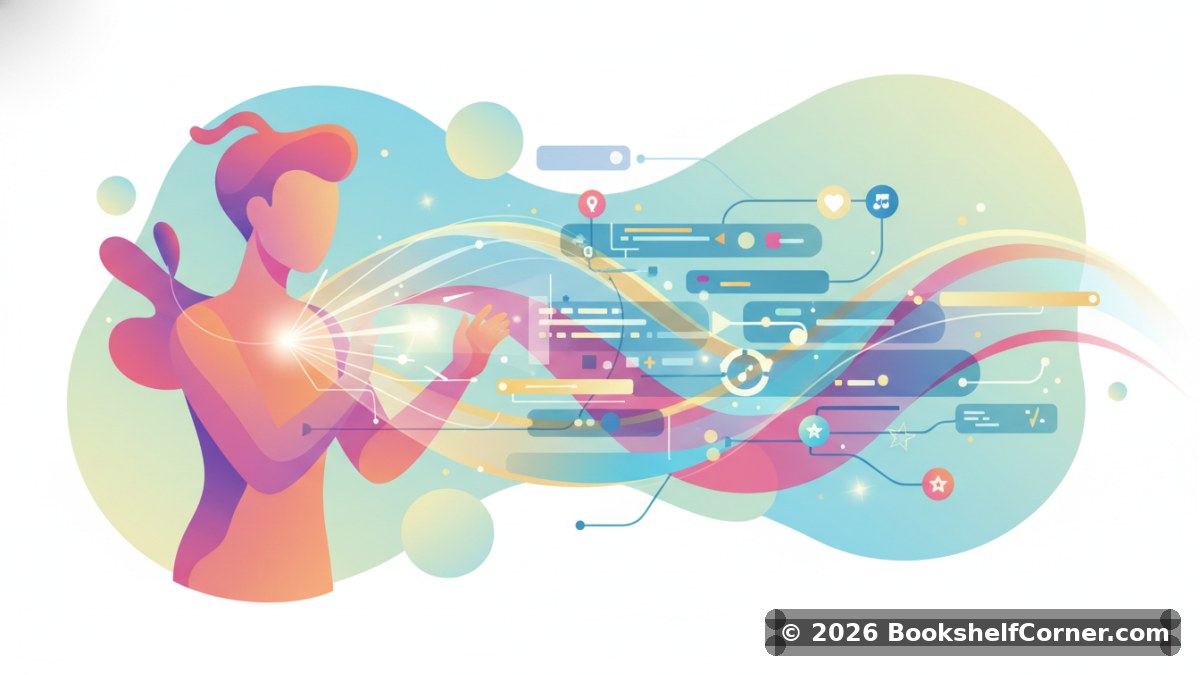
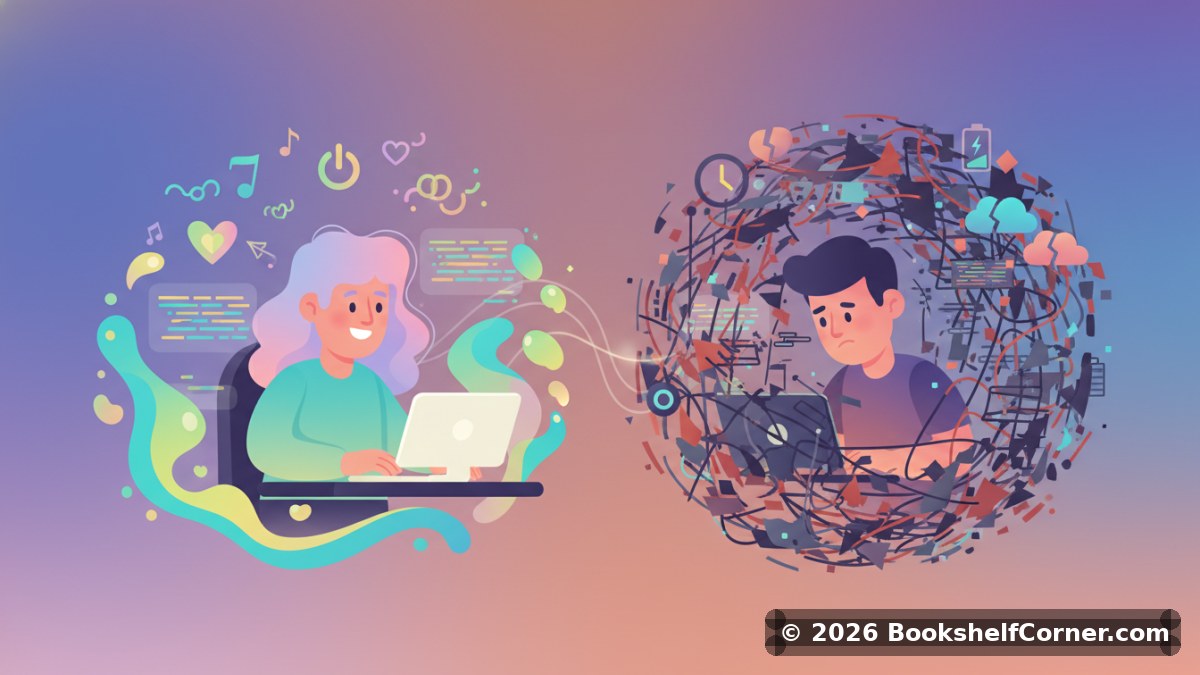
Picture this: you open your laptop, describe what you want to build in plain English, and watch the code write itself. No syntax errors to hunt down, no Stack Overflow rabbit holes at midnight, no arguing with a linter. You just… vibe. That's the promise of vibe coding — a term that exploded onto the tech scene in early 2024 and hasn't stopped trending since. But is it a genuine paradigm shift in software development, or just the latest buzzword dressed up in a hoodie?
What Exactly Is Vibe Coding?
The term "vibe coding" was coined by AI researcher and Tesla/OpenAI alumni Andrej Karpathy, who described it as a style of programming where you essentially give up trying to fully understand every line of code. Instead, you lean into AI tools — think GitHub Copilot, Cursor, or ChatGPT — to generate, debug, and iterate on code based on high-level prompts. You describe the vibe of what you want, and the AI fills in the technical blanks.
It's less about mastering every algorithm and more about directing an intelligent assistant toward a goal. In Karpathy's own words, you "fully give in to the vibes" and "forget that the code even exists." For many, that sentence alone was enough to either excite or terrify them.
The Case For Vibe Coding
It Lowers the Barrier to Entry
One of the most compelling arguments in favour of vibe coding is simple: more people can now build software. Non-technical founders, designers, writers, educators, and domain experts can prototype ideas without hiring a developer or spending months learning a programming language. This democratisation of development is genuinely significant. Ideas that would have died in someone's notebook are now being shipped as real products.
It Speeds Up Professional Developers Too
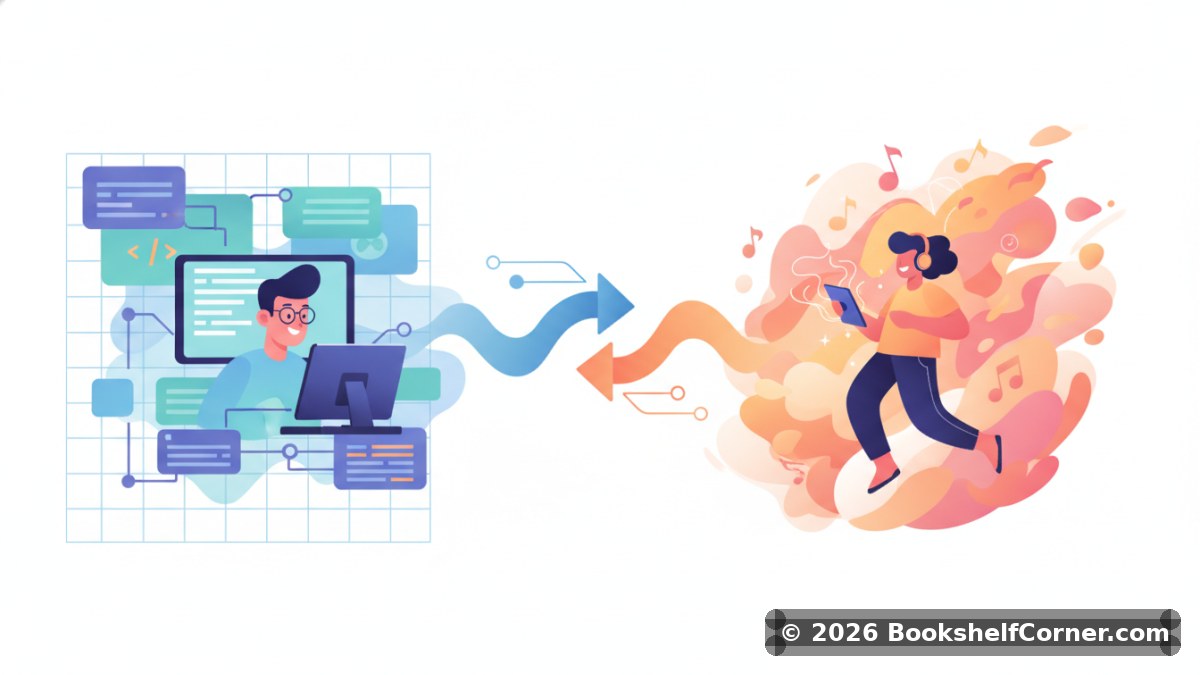
Even seasoned engineers are embracing the approach — not because they can't code, but because it accelerates the boring parts. Boilerplate setup, repetitive CRUD operations, writing unit tests for straightforward functions — AI handles these with ease. That frees developers to focus on architecture decisions, creative problem-solving, and the genuinely complex challenges that still require deep expertise.
It Reflects How We Already Work
Let's be honest: developers have always relied on documentation, forums, and copy-pasted code snippets. Vibe coding is arguably just a supercharged, conversational version of that workflow. The underlying principle — don't reinvent the wheel — hasn't changed. The tool has just gotten dramatically smarter.
The Legitimate Criticisms
You Can Vibe Yourself Into a Mess
Here's where the critics have a point. When you don't fully understand the code you're shipping, debugging becomes a nightmare. AI-generated code can contain subtle security vulnerabilities, performance bottlenecks, or logical errors that look perfectly fine on the surface. Without the foundational knowledge to spot these issues, a vibe coder can quickly find themselves maintaining a codebase they fundamentally don't understand.
It Can Create a False Sense of Competence
Getting a working prototype in an afternoon feels amazing. But there's a dangerous gap between "it works on my machine" and "it's production-ready, scalable, and secure." Vibe coding can blur that line, especially for newcomers who don't yet know what they don't know.
The AI Is Only as Good as the Prompt
Garbage in, garbage out. If you can't articulate what you want with reasonable precision, the AI will confidently build the wrong thing. Effective vibe coding still requires some technical literacy — enough to ask the right questions and evaluate the answers you receive.
So, Is It Real or Hype?
Honestly? It's both — and that's not a cop-out answer. Vibe coding is real in the sense that AI-assisted development is fundamentally changing how software gets built, who builds it, and how fast. The shift is already happening, and fighting it is about as productive as refusing to use Google because "real programmers read the manual."
But it's also overhyped in the sense that the deepest, most complex software challenges — distributed systems, security-critical infrastructure, novel algorithms — still demand genuine expertise. Vibe coding is a powerful layer on top of skill, not a replacement for it.
The smartest approach? Embrace the tools, but invest in understanding. Use AI to accelerate your work, then take the time to actually read and learn from the code it generates. The developers and builders who thrive in the next decade will be those who combine creative prompting with solid fundamentals.
If you're hungry to go deeper on AI, coding, and the future of technology, the indie authors at Bookshelf Corner have you covered — from practical programming guides to forward-thinking explorations of where tech is headed. Sometimes the best way to understand a shift is to read someone who saw it coming.
Related Books
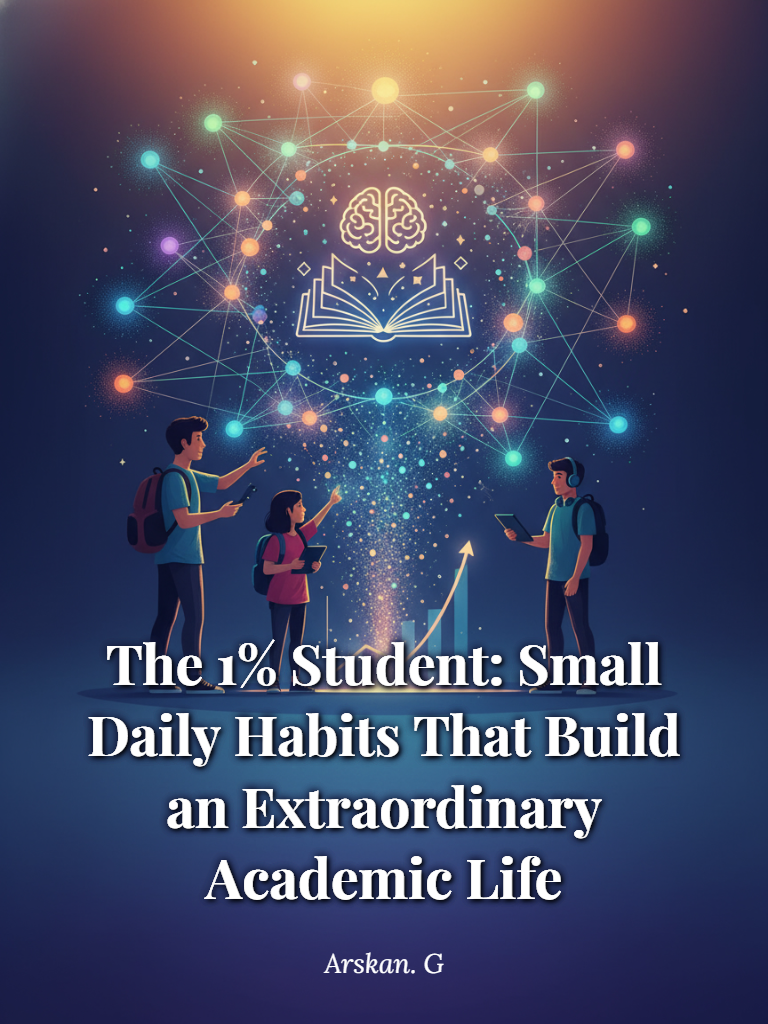
The 1% Student: Small Daily Habits That Build an Extraordinary Academic Life
Arskan. G

Stack and Succeed: The Busy Professional's Guide to Building Habits That Actually Last
Arskan. G

The Adaptive Mind: Harnessing Brain Science for Lasting Positive Change
Arskan. G

Steady Ground: Daily Habits for a Calmer, More Resilient Mind
Arskan. G

Digital Products for Beginners: From Idea to Profitable Launch
Arskan. G
Looking for quality ebooks from independent authors?
Thousands of titles, personal watermark, read online or download.
Browse Catalog →