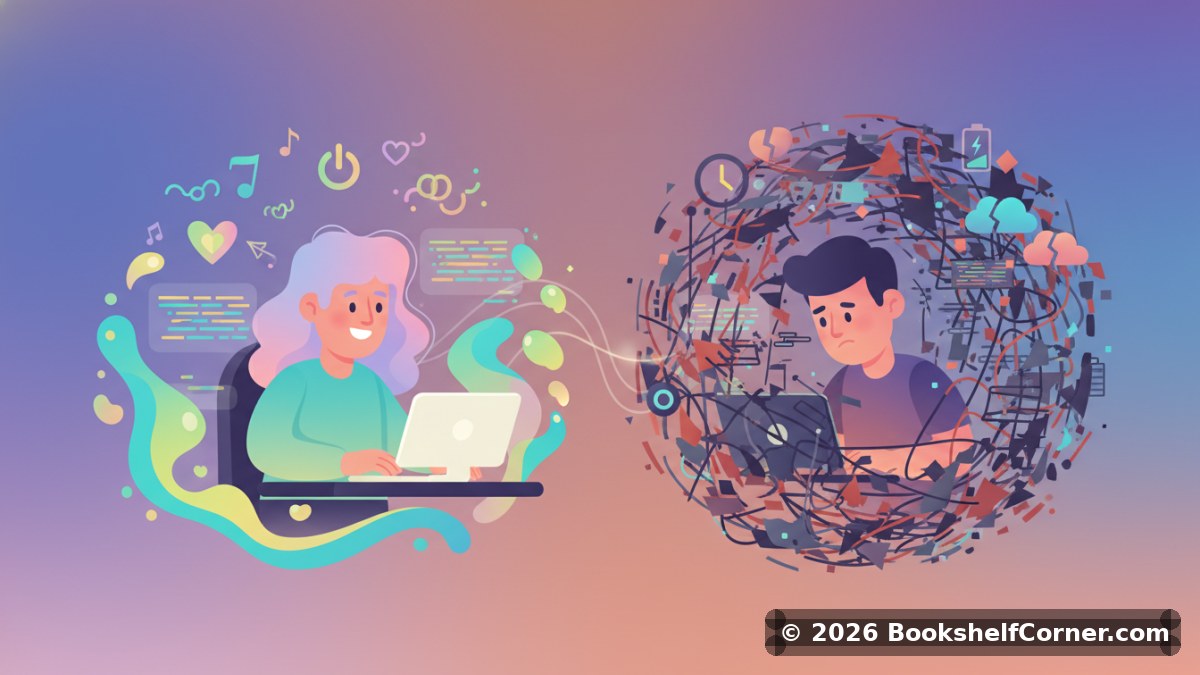
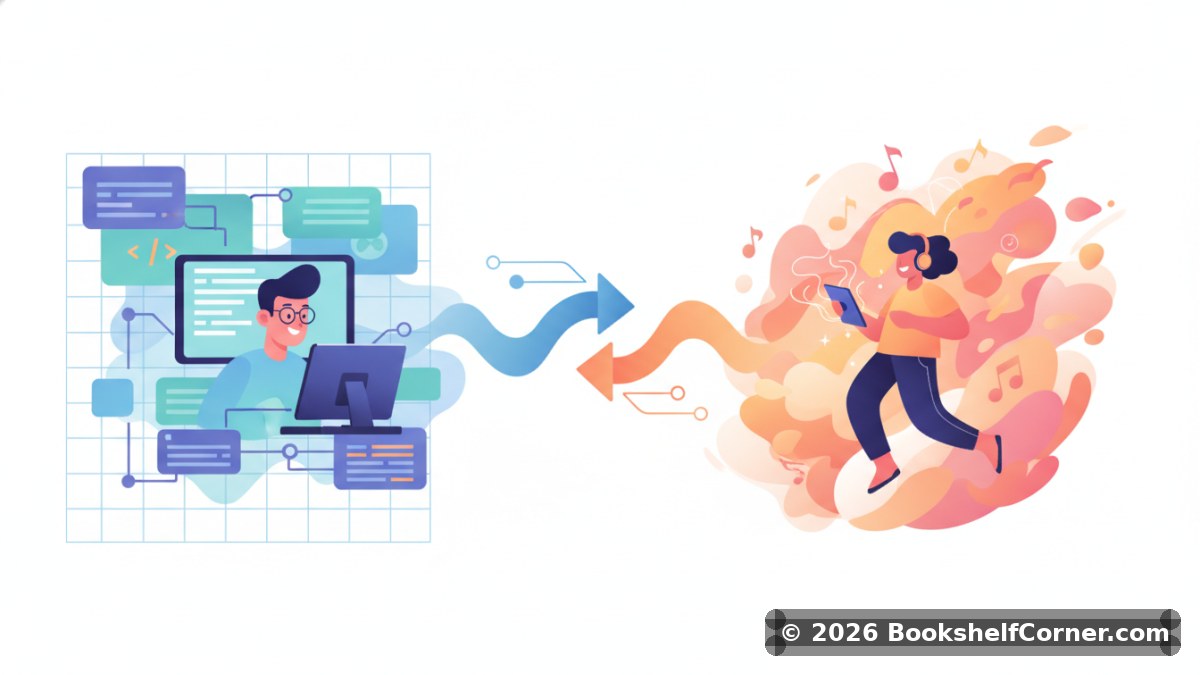
A Beginner's Guide to Vibe Coding in 2025
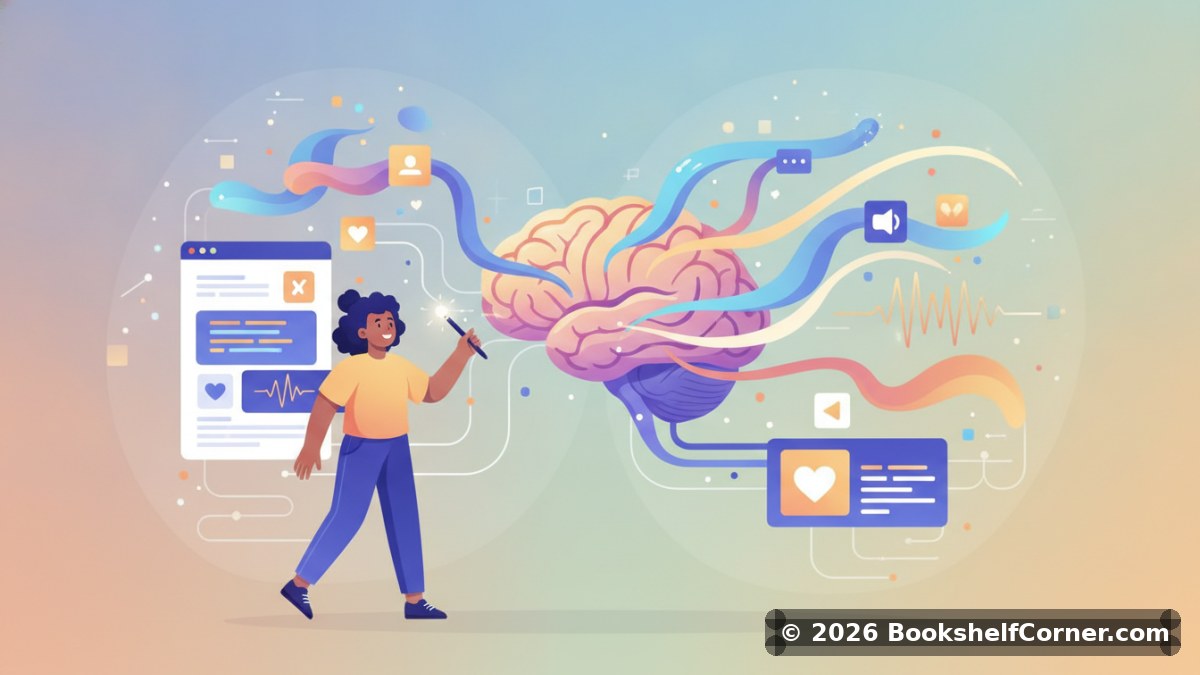
Imagine sitting down at your computer, typing a sentence like "Build me a to-do app with a clean dark theme," and watching functional code appear before your eyes. No memorizing syntax. No Stack Overflow rabbit holes. No three-hour debugging sessions at midnight. Welcome to vibe coding — the approach to software development that's turning the tech world upside down in 2025. Whether you're a complete non-technical beginner or a seasoned developer looking to supercharge your workflow, vibe coding might just be the most exciting shift in programming since the internet itself.
What Exactly Is Vibe Coding?
The term "vibe coding" was popularized in early 2025 by AI researcher Andrej Karpathy, who described a style of programming where the developer essentially gives up full control of the codebase and leans entirely on AI tools to generate, edit, and debug code. Instead of writing every line yourself, you describe the outcome you want — the vibe — and let a large language model (LLM) like GPT-4, Claude, or Gemini translate that vision into working software.
It's less about knowing how to code and more about knowing how to communicate clearly with an AI. Think of yourself as a product director and the AI as your extremely fast, tireless developer.
Why Is Vibe Coding Exploding in 2025?
Several factors have converged to make vibe coding the hottest topic in tech right now:
- AI tools are dramatically more powerful. Models in 2025 can understand context, remember previous instructions within a session, and generate entire application architectures from a single prompt.
- Dedicated platforms have emerged. Tools like Cursor, Replit Agent, Bolt.new, and Lovable are purpose-built for vibe coding workflows, making it easier than ever to go from idea to deployed app.
- The barrier to entry has collapsed. You no longer need a computer science degree to ship a working product. Entrepreneurs, designers, writers, and hobbyists are building real apps — and some are even making money from them.
- Developer productivity has skyrocketed. Even professional engineers are adopting vibe coding for prototyping, boilerplate generation, and rapid experimentation.
Getting Started: Your First Vibe Coding Session
1. Choose Your Tool
For absolute beginners, Replit Agent or Bolt.new are excellent starting points — they handle hosting, dependencies, and deployment automatically. If you're comfortable with a code editor, Cursor (built on VS Code) is the industry favourite among developers who want AI deeply integrated into their workflow.
2. Write a Clear, Detailed Prompt
The quality of your output depends almost entirely on the quality of your input. Instead of saying "make an app," try something like: "Build a simple expense tracker web app. It should have a form to add expenses with a name, amount, and category. Display all expenses in a table. Include a total at the bottom. Use a clean, minimal design with a white background and blue accents."
The more specific you are about functionality, design, and user experience, the better your results will be.
3. Iterate, Don't Agonise
Your first output won't be perfect — and that's completely fine. Vibe coding is an iterative conversation. If something looks wrong, just tell the AI: "The table doesn't display on mobile. Fix the layout to be responsive." Treat each response as a draft, not a final product.
4. Learn Just Enough to Guide the AI
You don't need to become a full-stack developer, but understanding basic concepts — like what a "frontend" and "backend" are, or the difference between HTML and JavaScript — will help you give better instructions and catch obvious errors. A little knowledge goes a very long way.
The Honest Limitations of Vibe Coding
Vibe coding is powerful, but it's not magic. Complex, production-grade applications still require human expertise for security, scalability, and long-term maintenance. AI models can confidently produce wrong code, so reviewing output critically is essential. And for anything handling sensitive user data, always involve a professional developer for a security audit.
Think of vibe coding as a brilliant accelerator, not a complete replacement for technical knowledge.
Where to Learn More
The vibe coding ecosystem is moving fast, and the best way to stay ahead is continuous learning. Tutorials, community forums, and YouTube channels dedicated to AI-assisted development are multiplying daily. If you prefer a more structured, self-paced learning experience, there's also a growing library of indie ebooks and guides written by practitioners in the field — many of which you can find on platforms like BookshelfCorner.com, where independent authors share deep-dive resources on emerging tech topics.
Vibe coding represents a genuine democratisation of software development. The ability to build tools, automate tasks, and bring ideas to life is no longer reserved for those who spent years learning to code. In 2025, the most important skill isn't syntax — it's the clarity of your vision. So open up a new tab, pick a tool, and start describing the thing you've always wanted to build. The AI is ready when you are.
Related Books
The 1% Student: Small Daily Habits That Build an Extraordinary Academic Life
Arskan. G

Stack and Succeed: The Busy Professional's Guide to Building Habits That Actually Last
Arskan. G

The Adaptive Mind: Harnessing Brain Science for Lasting Positive Change
Arskan. G

Steady Ground: Daily Habits for a Calmer, More Resilient Mind
Arskan. G
Digital Products for Beginners: From Idea to Profitable Launch
Arskan. G
Looking for quality ebooks from independent authors?
Thousands of titles, personal watermark, read online or download.
Browse Catalog →